Free Delivery For All Orders Above R1500 | Retail Only

Adaptogens for Sleep: Natural Support for Restful Nights


Adaptogens for Sleep: Natural Support for Restful Nights. In a world where we’re always “on,” getting quality sleep has become more of a luxury than a given. Whether it’s stress, screen time, or just an overactive mind, sleep can feel frustratingly out of reach. But here’s some good news: nature might have a few tricks up its sleeve.
Enter adaptogens — herbs and mushrooms that help your body adapt to stress and restore balance. These natural remedies have been used in traditional healing systems for centuries, and modern research is starting to catch up. While they’re not sleep aids in the conventional sense, adaptogens help reduce the stress and anxiety that often get in the way of restful sleep.
Let’s explore five of the most promising adaptogens for sleep — backed by science, tradition, and some solid local interest too.
—
1. Ashwagandha (Withania somnifera)
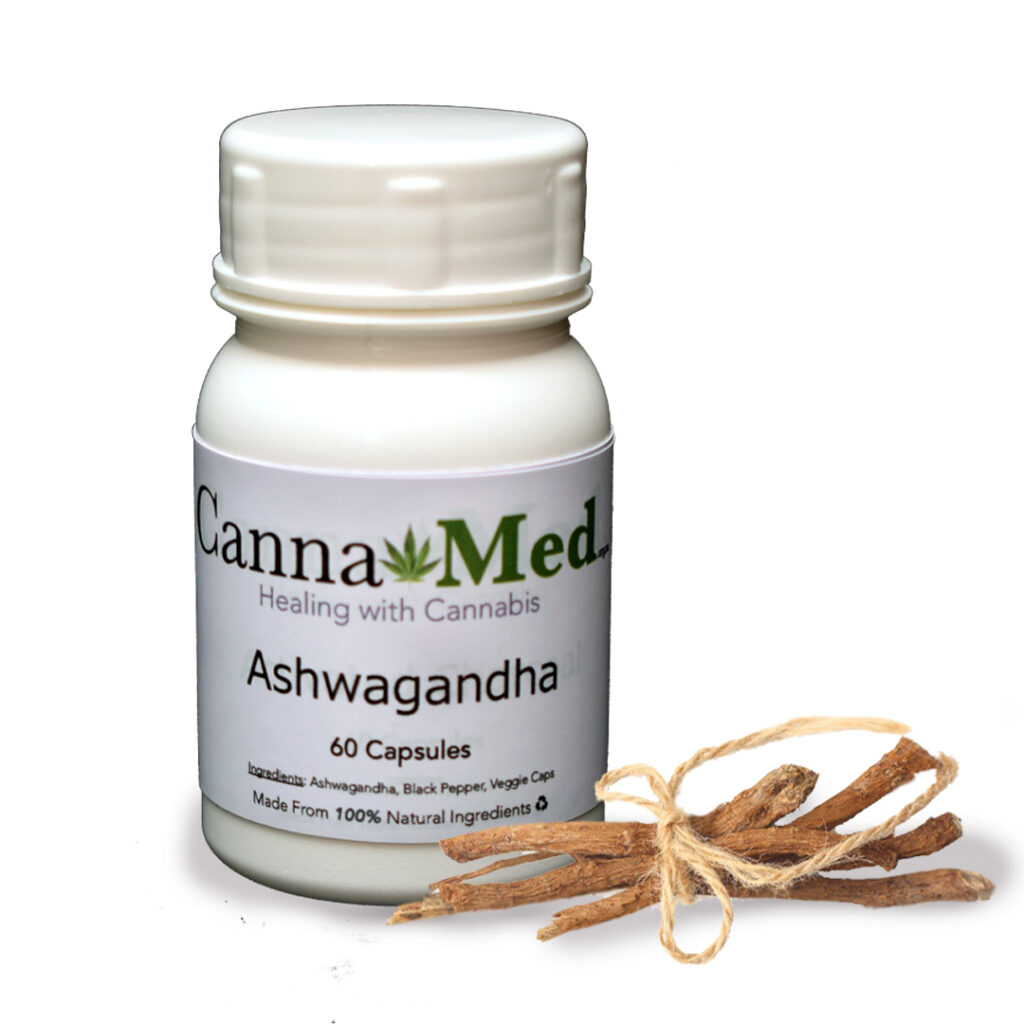
Ashwagandha is probably the most famous adaptogen in the sleep conversation — and for good reason. This ancient Ayurvedic herb has been shown to reduce stress and anxiety, helping calm the nervous system so that sleep can naturally follow.
In one clinical study, participants who took ashwagandha root extract over 10 weeks reported better sleep quality and reduced anxiety. Another study found that just 250 mg to 600 mg daily significantly reduced cortisol, the stress hormone that’s often responsible for those restless nights.
Ashwagandha is available in capsules, teas, and powders — and it’s widely stocked in South African health shops and pharmacies. It’s generally well tolerated, but as with any supplement, it’s best to speak to your herbal practitioner if you’re on medication.
Why it matters for South Africans: High-stress environments — from urban hustle to rising costs of living — mean many South Africans are walking around with elevated cortisol. Ashwagandha may offer a gentle yet effective way to ease that internal pressure.
—
2. Tulsi (Holy Basil)
Known as the “Queen of Herbs” in Ayurvedic medicine, Tulsi (or Holy Basil) has long been prized for its calming, anti-inflammatory, and stress-reducing properties. In South Africa, it’s gaining traction in wellness circles, particularly in teas and tinctures.
A six-week clinical trial found that Tulsi extract reduced stress symptoms by up to 39% more than a placebo. It also showed promise for improving sleep by reducing nighttime disturbances and helping regulate cortisol levels.
If you enjoy herbal teas, Tulsi is a beautiful addition to your evening wind-down ritual. Pair it with chamomile or rooibos for a delicious and soothing blend.
—
3. American Ginseng (Panax quinquefolius)
Unlike its stimulating cousin, Asian ginseng, American ginseng is known for its calming energy — perfect for people who need a bit of balance in their nervous system without feeling drowsy during the day.
Studies suggest American ginseng may help lower cortisol and support the release of melatonin — the hormone that regulates your sleep-wake cycle. While most of the research is still in animal models, early findings show that ginseng may reduce anxiety without the sedative side effects associated with pharmaceutical options.
You’ll find ginseng in capsule form or as a tea. Though American ginseng isn’t native to South Africa, many wellness stores carry high-quality, imported options.
—
4. Schisandra (Schisandra chinensis)
Schisandra berries — often called the “five flavour fruit” — are an ancient tonic in Traditional Chinese Medicine. They’ve been used to boost endurance, improve mood, and yes, support restful sleep.
Recent research shows that Schisandra may calm the nervous system by reducing cortisol and improving anxiety symptoms. In one study, its active compound, Schisandrin B, helped animals fall asleep faster and sleep longer. Another component, Gomisin N, showed promising sedative effects by increasing sleep time.
Schisandra is usually consumed as a tincture or capsule. If you’re dealing with high anxiety or feeling overwhelmed before bed, it might be a gentle support worth exploring.
—
5. Reishi Mushroom (Ganoderma lucidum)
Reishi — often referred to as the “mushroom of immortality” — has been used in Eastern medicine for centuries. In South Africa, medicinal mushrooms are becoming more mainstream, and reishi is leading the charge.
Animal studies suggest that reishi can help improve non-REM sleep (the deep, restorative kind) and may increase total sleep time. Researchers think this may be due to its calming effects on the immune and nervous systems — two systems that get overworked when we’re stressed.
Reishi is usually available as a powder, capsule, or in mushroom coffee blends. If you’re trying to wean off caffeine or want to create a nourishing nighttime tonic, this is one to consider.
—
How Adaptogens Help You Sleep
It all comes down to balance. Most of us live in a chronic state of low-level stress. This elevates cortisol, which interferes with melatonin production — making it harder to fall asleep and stay asleep.
Adaptogens work by helping the hypothalamic-pituitary-adrenal (HPA) axis — your body’s stress-response system — find its rhythm again. They don’t knock you out like sleeping pills. Instead, they build resilience over time, helping your body and mind remember how to relax naturally.
—
A Word of Caution
Adaptogens are generally safe for most people, but they’re not one-size-fits-all. If you’re pregnant, breastfeeding, have a medical condition, or are on chronic medication, always check with your healthcare provider before starting anything new.
Also, quality matters. Choose trusted brands, look for third-party testing, and read labels carefully — especially when buying online.
—
Conclusion: A Natural Nudge Toward Better Sleep
While adaptogens won’t cure insomnia overnight, they offer gentle, cumulative support for better sleep and better stress management. If you’re looking for a more natural, holistic approach to your sleep routine, adding one (or more) of these adaptogens might just be the nudge your nervous system needs.
Try them in teas, tinctures, or capsules. Create a wind-down routine. Turn off your screens. And let your body remember how to truly rest.
—
References
1. [Withania somnifera in insomnia and anxiety – PubMed](https://pubmed.ncbi.nlm.nih.gov/29575575/)
2. [Effect of Ocimum sanctum on stress – PubMed](https://pubmed.ncbi.nlm.nih.gov/21704900/)
3. [Reishi mushroom and sleep – Journal of Ethnopharmacology](https://www.sciencedirect.com/science/article/abs/pii/S0378874113003280)
4. [Schisandra and sleep support – National Library of Medicine](https://pubmed.ncbi.nlm.nih.gov/21963853/)
5. [American Ginseng in cortisol regulation – Journal of Ginseng Research](https://www.ncbi.nlm.nih.gov/pmc/articles/PMC3659613/)
—
Local Resources for Further Reading**
– [South African Society of Integrative Medicine](https://www.integrativemedicine.co.za/)
– [Health24 Sleep Guide](https://www.news24.com/life/health/sleep)
– [South African Journal of Botany](https://www.journals.elsevier.com/south-african-journal-of-botany)